
Bad Breath Isn't Normal: Spotting Dental Disease in Dogs.
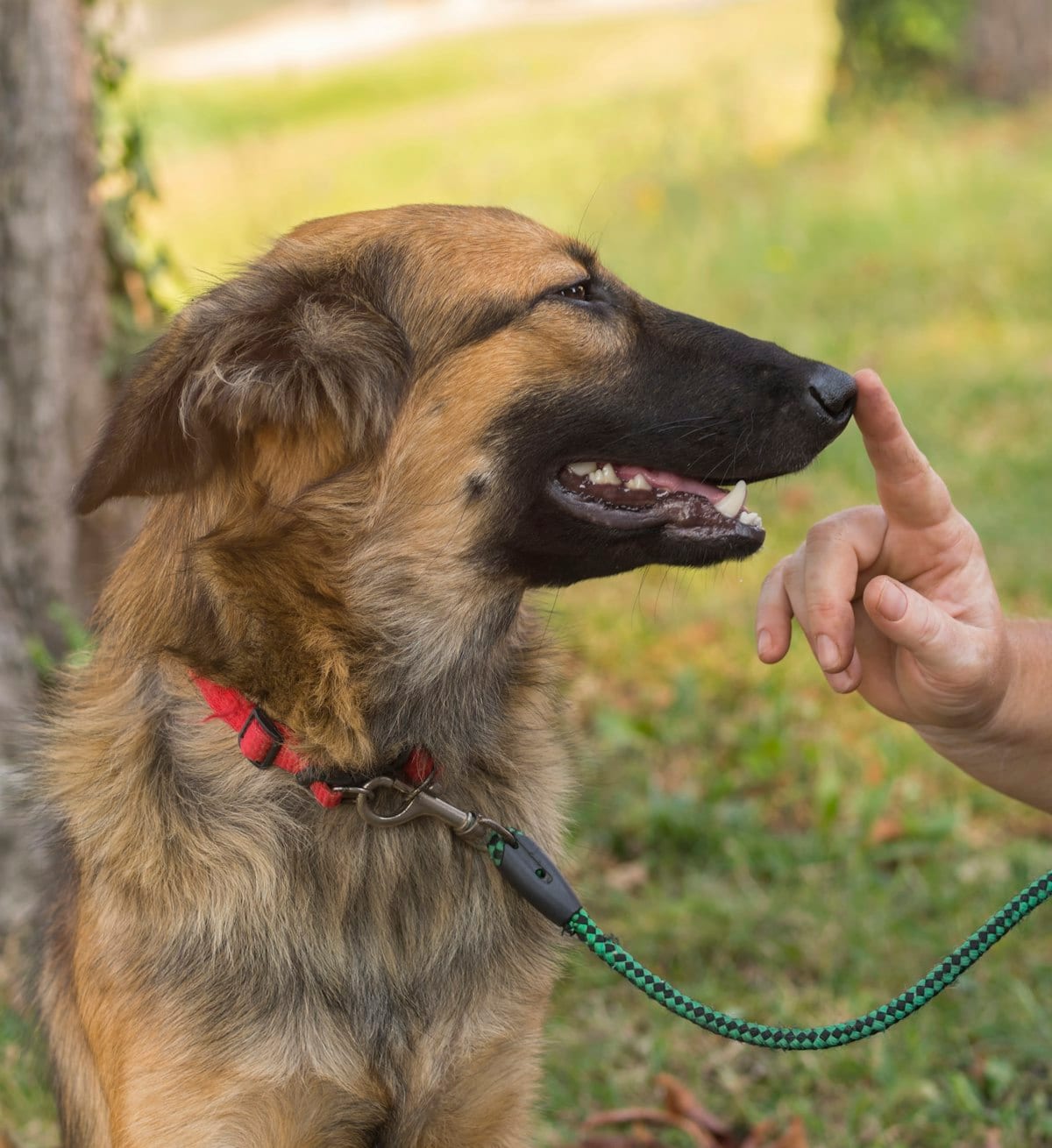
I used to think dog breath was just something you put up with. Then my vet pointed out the yellow buildup on my dog's back teeth and explained that bad breath is often the first sign of dental disease. Here's what I wish I'd known sooner.
fluff, no jargon.Tips for Success
- Be consistent with your approach every single time.
- Use positive reinforcement—rewards work better than corrections.
- Keep sessions short, especially when starting out.
- Pay attention to your dog's body language for signs of stress.
When to Ask for Help
If you're stuck or the problem gets worse, a professional trainer or your vet can give you personalized advice. There is no shame in asking for help—it's often the smartest move you can make for your dog.
Remember, every dog learns at their own pace. Stay patient, stay consistent, and you will see progress.
Regular dental care is essential for dogs of all ages. Without proper attention, plaque builds up and can lead to gingivitis, tooth loss, and even systemic infections that affect the heart and kidneys.
Daily tooth brushing is the gold standard for prevention. Use a dog-specific toothpaste and a soft-bristled brush designed for canine mouths. Start slowly, letting your dog taste the toothpaste before introducing the brush.
Dental chews and water additives can supplement brushing but should not replace it entirely. Look for products with the Veterinary Oral Health Council (VOHC) seal of approval for proven effectiveness.


No comments yet.